Reimagining Telecommunication
for Taiwanese Gen Z
To build FET’s understanding of Gen Z through design research, enabling the development of appropriate product offerings and marketing approaches which cater to Gen Z’s wants and desires, in turn increasing the market share among this demographic.
Gen Z, the first highly digital generation, now makes up 20% of Taiwan’s population. FET would like to leverage a keen understanding of this generation to find new ways to attract and engage them, with implications for other market segments.
Project Opportunity

Time
Role
Tools
Team
Skills
Goals
Provide FET with a thorough, actionable understanding of Gen Z, specifically their use of mobile technology, life stages, and contextual activities.
Show early concepts backed by the reasoning to address their telecom and related needs.
Provide Design Principles to judge and guide future development.
June - July (6weeks)
UX & Design Strategy Intern
Kristin Mary John
Sheethal Jacob
Roger Hong
Anushree Joshi
Alexandra Lai
Mina Ye
Figma
Adobe Photoshop
Procreate
Notebook LM
Design Research
Site Visit Observation
Interviews/co-design
Storytelling
Analysis & Synthesis
Through weekly research and testing sprints, I iteratively translate insights into prototypes, validate them with users, and refine based on real-world feedback.
Design Process
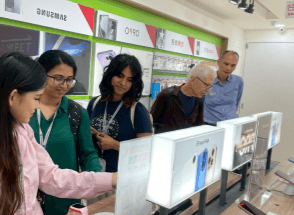
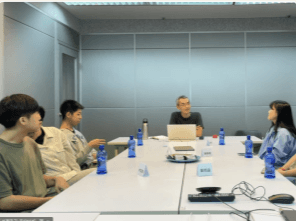
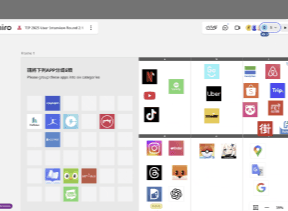
Store Visits - Taiwan Mobile,
Chunghwa, FET stores to learn
about store offer & experience
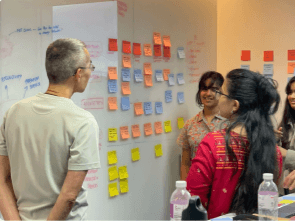
Ideation - Brainstorm ideas
based on the initial hypothesis
and Gen Z personas.
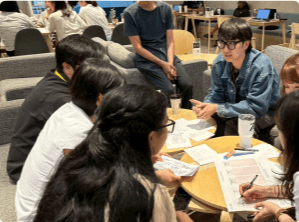
Interviews - In depth interviews
with activities to learn about GenZ’s
behaviors, preferences, and lifestyles.
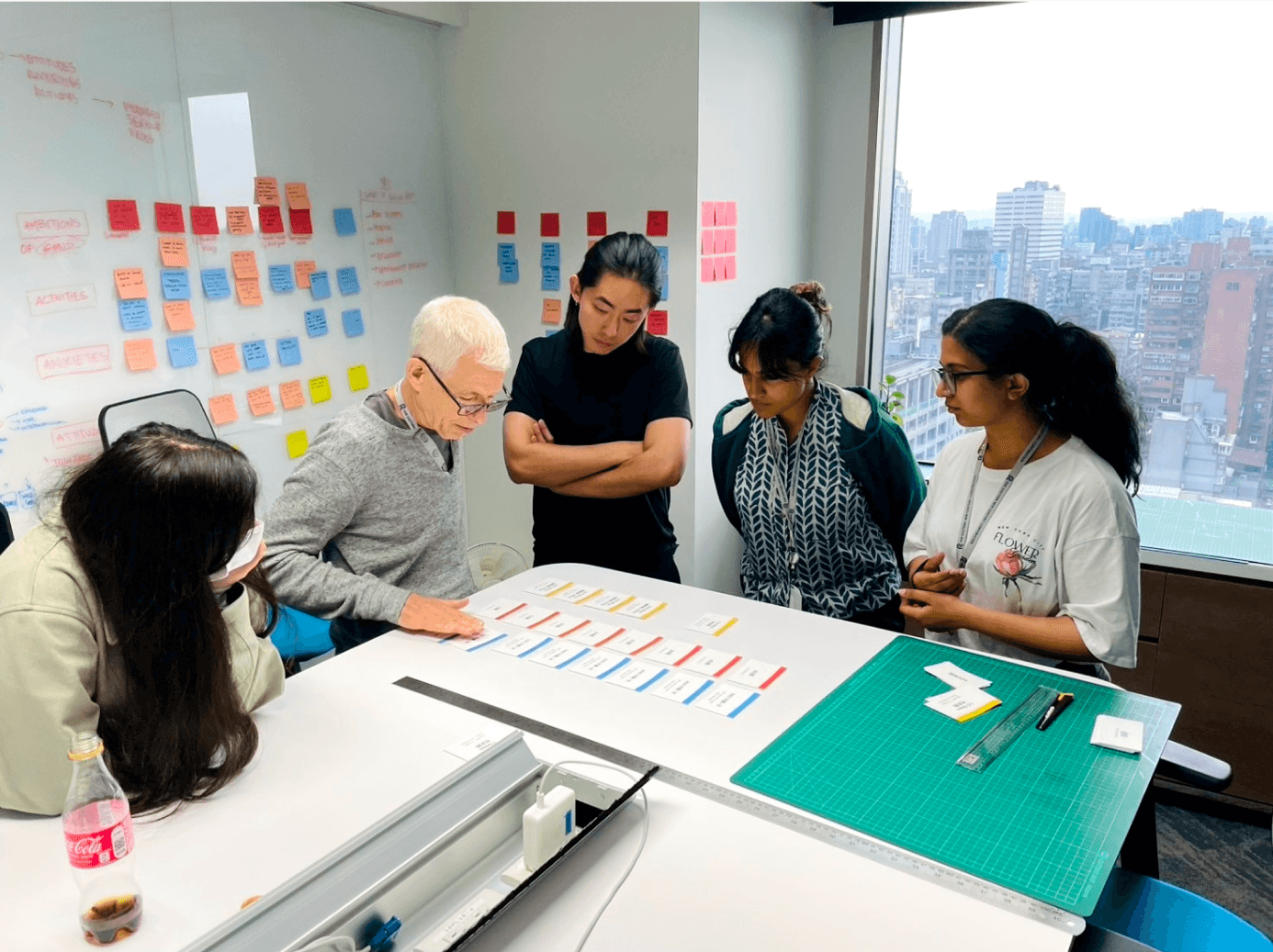
Workshop - Teams composed of
Gen Z and Boomers create and
pitch ideas for new products based
on Gen Z behaviors
Focus group - Focus group user
testing for insights, solutions
and opportunity areas.
Challenges with attracting and engaging Gen Z
Unlike previous generations, Gen Z views telecom brands as easily interchangeable since they see no significant differences beyond the basic services like price and network stability
Lack of brand & offering differentiation
1.
Where older generations would have paid more for bundled services, Gen Z prefers stripped-down plans if it means paying less
Price and stability driven decisions
2.
Gen Z has moved away from traditional voice minutes — with 80% of calls now happening through online apps like LINE
3.
Traditional call services are outdated
As Gen Z reshapes the telecom landscape, brands must navigate emerging expectations around value, differentiation, and digital communication.
How might FET create differentiated, emotionally resonant telecom offerings for Taiwanese Gen Z beyond price and network stability?
Synthesizing Gen Z Behaviors into Archetypes
Through interviews, surveys, and workshops, we identified recurring patterns in Gen Z behaviors. We synthesized these patterns into five archetypes representing distinct lifestyles and attitudes toward connectivity.

1
Gen Z individuals who actively participate in social trends and cultural moments. They enjoy exploring new places, attending events, and sharing experiences with their peers online.

2
Gen Z individuals who prioritize physical health and outdoor activities as a way to connect with others and maintain balance in their daily lives.

3
Gen Z individuals who enjoy solitude and personal rituals. They prefer quieter activities like visiting cafés, bookstores, or exploring the city alone.

4
Gen Z individuals deeply engaged in online communities centered around gaming, anime, and digital fandom culture.
Interviews + Secondary Research + Focus Groups + Surveys
While each archetype reflects a different lifestyle, common patterns across them revealed deeper insights about how Gen Z approaches connectivity, identity, and social experiences.
Insights
Insight 1
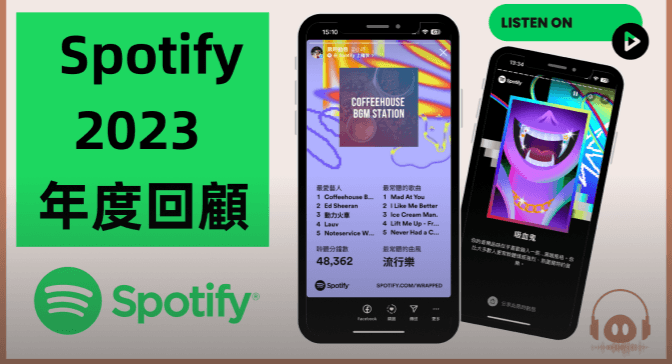
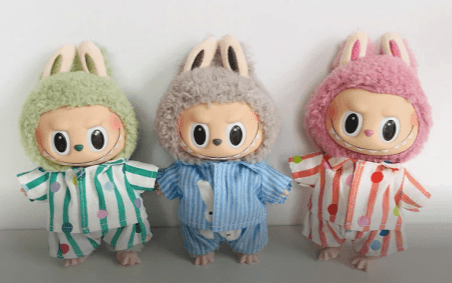
Gen Z wants to personalize and stand out from others
Gen Z is willing to spend money and share personal data for exclusive, personalized experiences, pushing brands to move beyond one-size-fits-all and enable individuality at scale.
44%
Gen Z respondents are willing to share personal data with brands for more personalized services.
"I paid for League of Legends for the outfit options, they don’t make the character stronger, but I don’t want it to look ugly."
Insight 2
Insight 3
Gen Z values flexibility of choice and resists rigid commitments
They actively seek flexible services & products that allow them to adapt, switch or opt out easily.This prompts brands to move beyond traditional “locked-in” models
"I prefer a 1-year contract, so I can change it if I don’t like it. I wouldn’t accept a long contract, like 60 months."
Gen Z seeks out both digital and real-life shared experiences within their circles
They actively seek flexible services & products that allow them to adapt, switch or opt out easily.This prompts brands to move beyond traditional “locked-in” models
"I use live chat with friends in my online games, we use it as a way of connecting with my friends from undergrad."
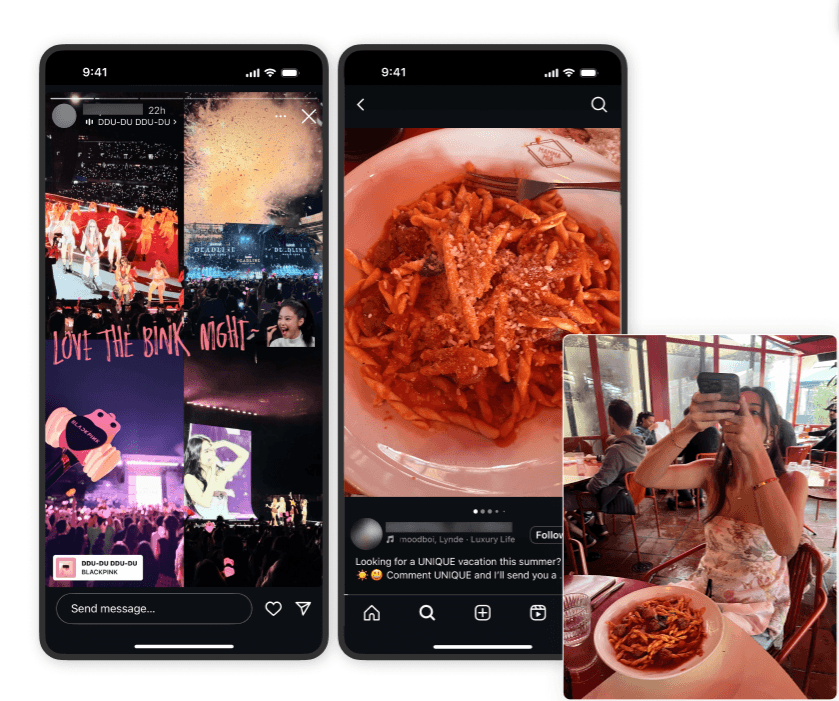
This drives Gen Z to look for brands that provide services enhancing their social interactions and overall experiences.
These insights informed three concept directions exploring how telecom services could better align with Gen Z behaviors and values.
Concepts
Just For Me
I customize my plan and choose my incentives later
A service that fits your life, empowers your choices, and grows with you.
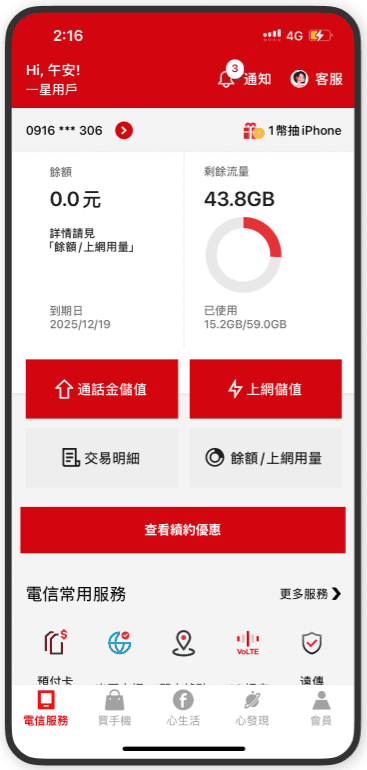
FET analyzes customer’s past usage to recommend a customized data plan that fits their real needs. Easily review and adjust the suggested plan to match changing habits and preferences.
Returning Customers
Online questionnaire to understand their data usage before customizing their plan
New Users
72.7%
Survey participants prefers combining products and services according to personal preference
"I don’t need calling time as all my calls are done through Line and Instagram. So I wouldn’t select a plan with more calling minutes."
Concept 1
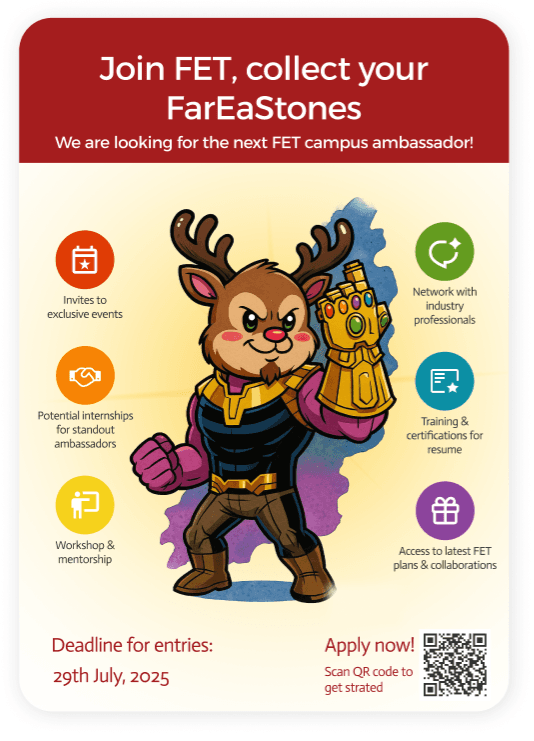
FET x Campus Ambassador
Connecting students and campus ambassadors to increase brand awareness
Ambassadors can engage the students through a gaming competition with multiplayer games like Arena of Valor, making FET more relatable and up to date with the current trends.
Through the ambassadors, FET can host small-scale campus tournaments where FET can collaborate with the game publishers for in-game rewards and exclusive merchandise
Gaming Competition
The FET Make Your Dream Come True Program is a dynamic competition designed for students with bold ideas and entrepreneurial spirit. This initiative invites young innovators to pitch their business concepts, compete against other creative minds, and gain exposure to real-world startup challenges.
FET Make Your Dream Come True Program
"I’ve had two campus ambassador experiences. It was a great low-cost way for me to explore industries I’m interested in, gain hands-on project experience, and connect with people from different universities and across the industry."
Concept 2
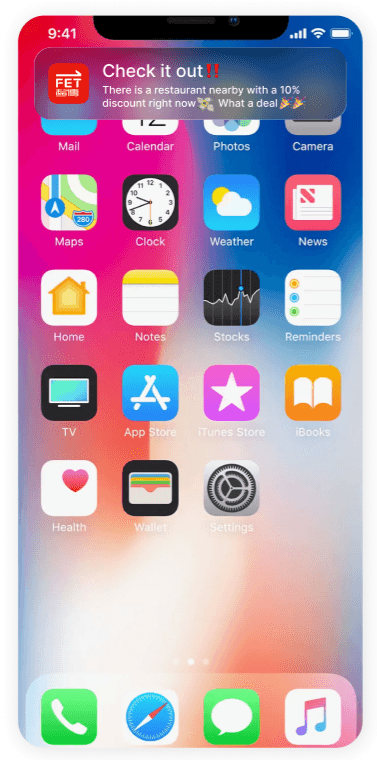
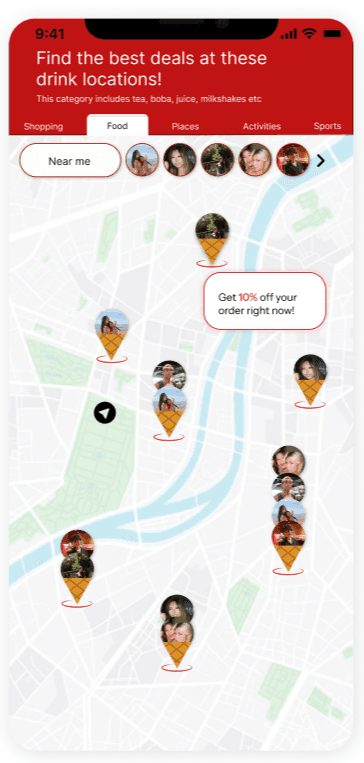
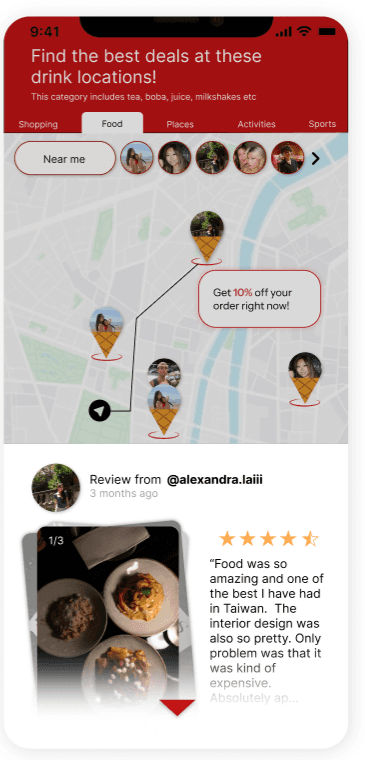
Discover & Share
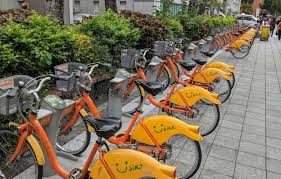
Connecting you with the foods, places and voices you care about every day or when you travel
A location based lifestyle feature within the FET app that connects Gen Z to the best foods, hangouts, and trusted recommendations, making everyday exploring and travel more social, rewarding, and relevant
Experience based Socializing
71%
of Taiwan Gen Z choose travel destinations based on locations featured in their favourite films and TV shows, eager to “check in” at these iconic spots and experience the same restaurants or hotels seen on screen.
Concept 3
My learnings and reflection
Throughout the project, we regularly involved stakeholders through weekly check-ins and feedback sessions. This helped ensure that research insights stayed aligned with business goals and technical constraints.
Engaging stakeholders along the process
Working in weekly design sprints required us to quickly synthesize research insights and translate them into design decisions. This experience helped me learn how to prioritize key insights and communicate findings efficiently within limited time.
Having weekly design sprint process can be challenging
Regularly presenting our findings and design ideas to the internal team helped maintain alignment and transparency throughout the project. It also frequently ensures that everyone remained informed and invested in the direction of the work.
Sharing presentations/ideas in-house is crutial

Made with love and intention
Kristin John
Thank you for visiting my digital playground.

Feel free to reach out to me for
feedback, questions or opportunities